Soil Preparation for Construction Projects in Shreveport, LA: What Contractors Need to Know
Skipping soil prep on a Shreveport construction site doesn't just slow the project — it creates structural problems that follow the build for decades. The region's Vertisol clay soils shrink in dry heat and swell during wet winters, so an unprepared subgrade can shift enough to crack slabs and footings before a building is even occupied. Getting the ground ready before the first concrete pour is the single most important step any contractor or property owner can take.
Why Shreveport's Clay Soils Require Extra Steps Before You Build
Shreveport sits in northwest Louisiana's heavy clay belt, where high shrink-swell soils behave differently from the sandy or loam profiles common in other parts of the South. These clay-dominant soils expand when saturated and contract sharply during dry spells, creating movement that undermines compacted layers if they aren't broken up and stabilized first.
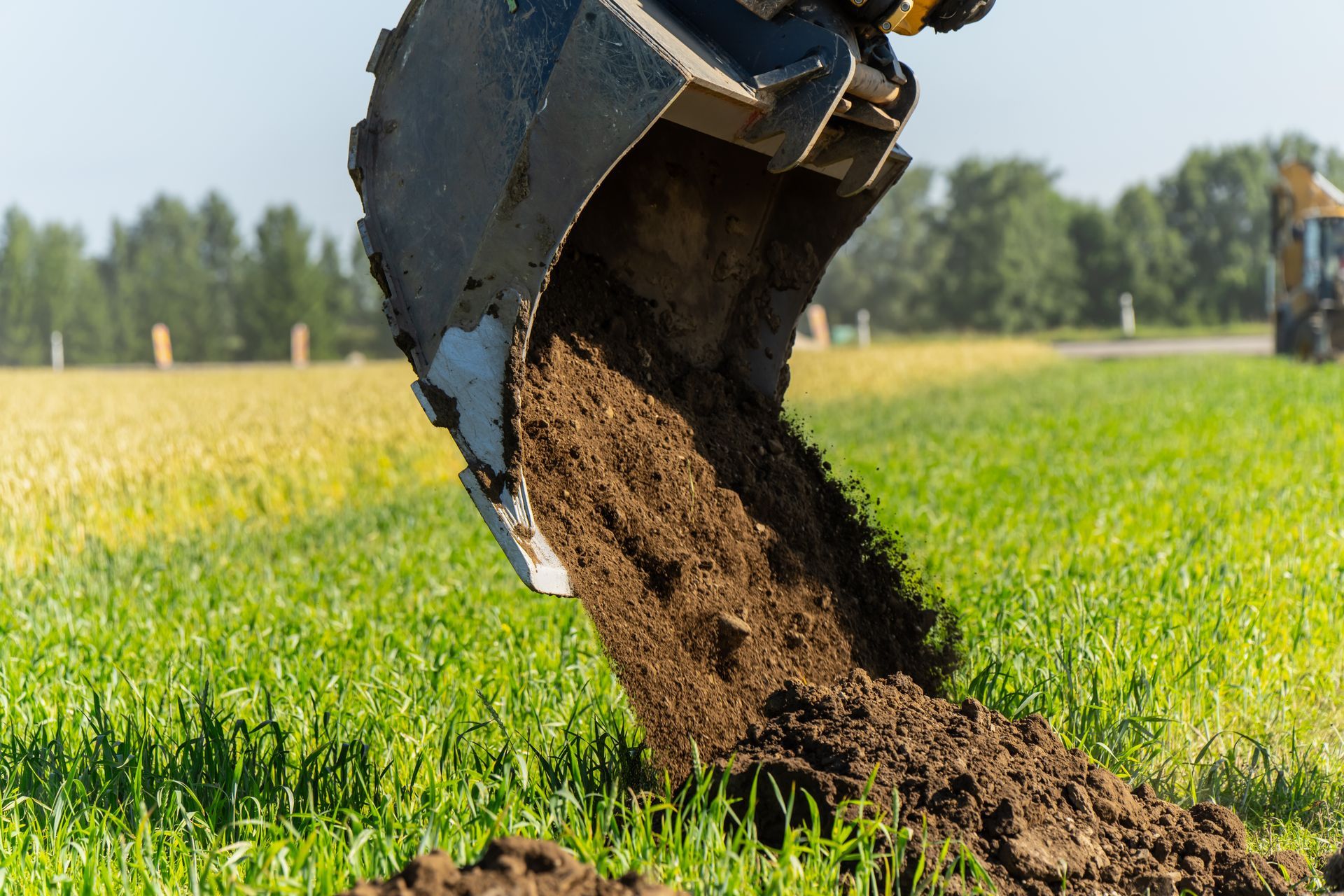
Below a thin topsoil layer, many Shreveport sites reveal red or orange clay hardpan — a dense, compacted zone that resists standard grading equipment and holds water rather than draining it. That hardpan must be tilled to a depth of six to twelve inches before any grading or compaction work begins. Breaking it up allows moisture to distribute more evenly and gives compaction equipment something workable to act on.
Sites with prior construction history may also contain debris fill or disturbed subgrade layers that behave unpredictably under load. Identifying these conditions during the site assessment phase prevents surprises when compaction testing reveals soft spots under what looks like solid ground.
What Does the Full Soil Prep Sequence Look Like?
A complete construction soil prep sequence moves from site clearing through fine grading in a specific order — skipping steps or reversing them compounds problems rather than solving them.
After clearing and a site assessment, heavy tilling breaks up the clay subgrade and hardpan. Rough grading follows, establishing the overall elevation profile and directing stormwater runoff away from the future building footprint. With Shreveport averaging close to fifty inches of annual rainfall, grading decisions made at this phase determine whether that water flows away from the structure or pools against it.
Mechanical subgrade compaction comes next. On clay-heavy soils, moisture content at time of compaction is critical — too wet and the clay pumps under load; too dry and it won't achieve the Proctor density values required for foundation approval. Fine grading then sets the final elevation for slabs, footings, or drainage infrastructure, establishing the minimum two-percent positive slope away from structures required by standard building codes.
For hands-on soil preparation services that move through this sequence correctly on Shreveport clay, working with a crew familiar with local subgrade behavior reduces both schedule risk and compaction failures.
How Does Grading Affect Drainage on a Shreveport Build Site?
Grading controls the direction and velocity of stormwater runoff across the entire site — it isn't just about leveling the ground for a building pad.
Improper grading on a sloped Shreveport lot redirects runoff toward foundations, adjacent properties, or low-lying areas where it pools and saturates subgrade. That saturation softens clay layers that were compacted weeks earlier, creating differential settlement risk under slab edges and footings. Swales, berms, and drainage routing need to be engineered into the grading plan before the rough grade begins, not added as corrections after the fact.
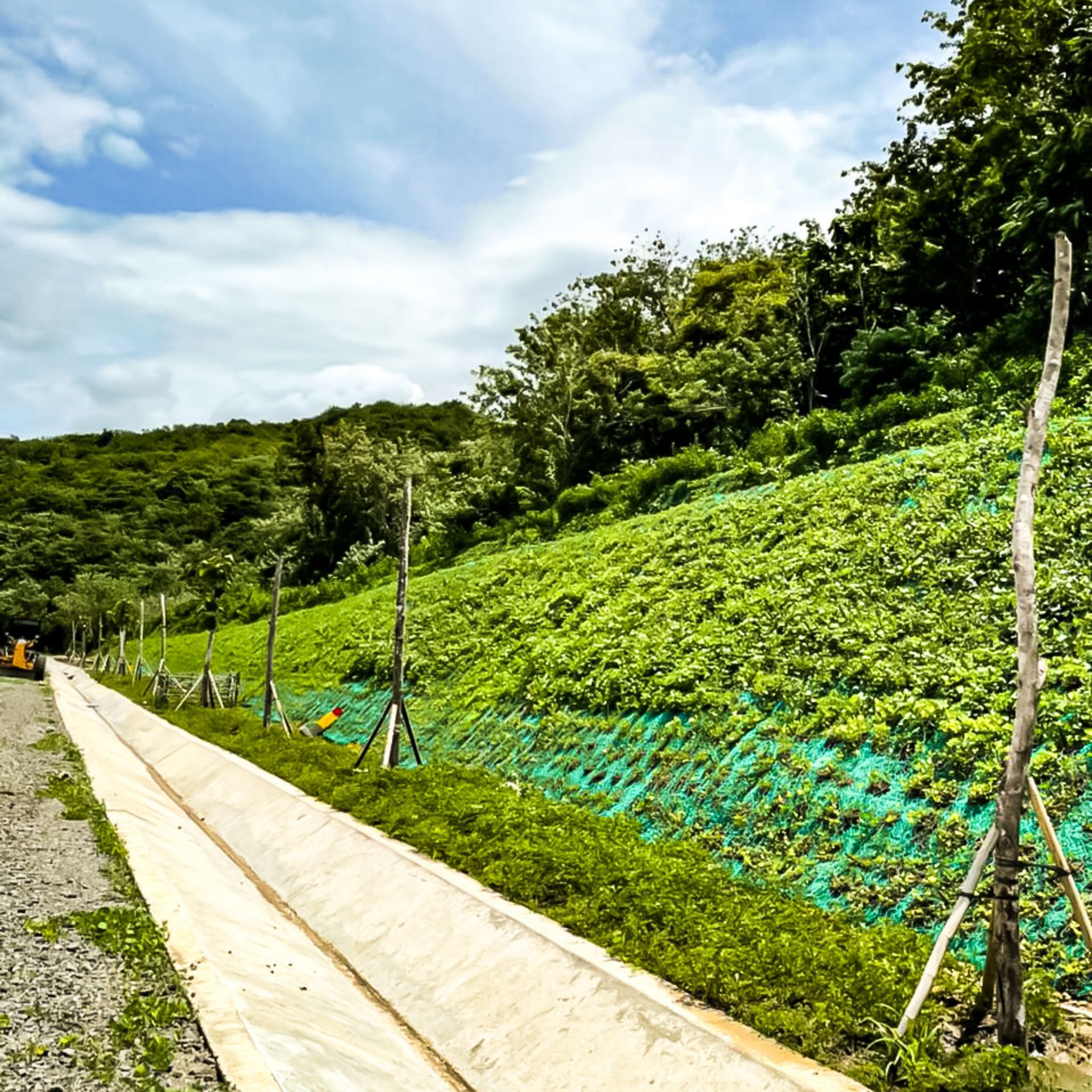
Sloped lots in neighborhoods along Shreveport's rolling southern and western corridors require cut-and-fill calculations that balance removed material against fill placed in low areas. Getting those calculations right early prevents over-cutting that strips native topsoil down to raw subgrade, which then needs hydraulic topsoil restoration before vegetation can establish.
Fall Timing and Post-Construction Restoration in Shreveport
October and November represent the optimal window for ground disturbance in Shreveport. Dry fall conditions allow tilling, grading, and compaction to proceed while subgrade moisture stays in a workable range. Once winter rains arrive, saturated clay becomes nearly impossible to grade or compact properly, pushing project timelines into spring.
Delaying soil prep into winter doesn't just stall the grading phase — it means compaction testing can't be completed, foundation pours get pushed, and the entire construction schedule compresses. Starting ground disturbance in the fall also sequences naturally into dormant-season stabilization of disturbed areas before spring establishment begins.
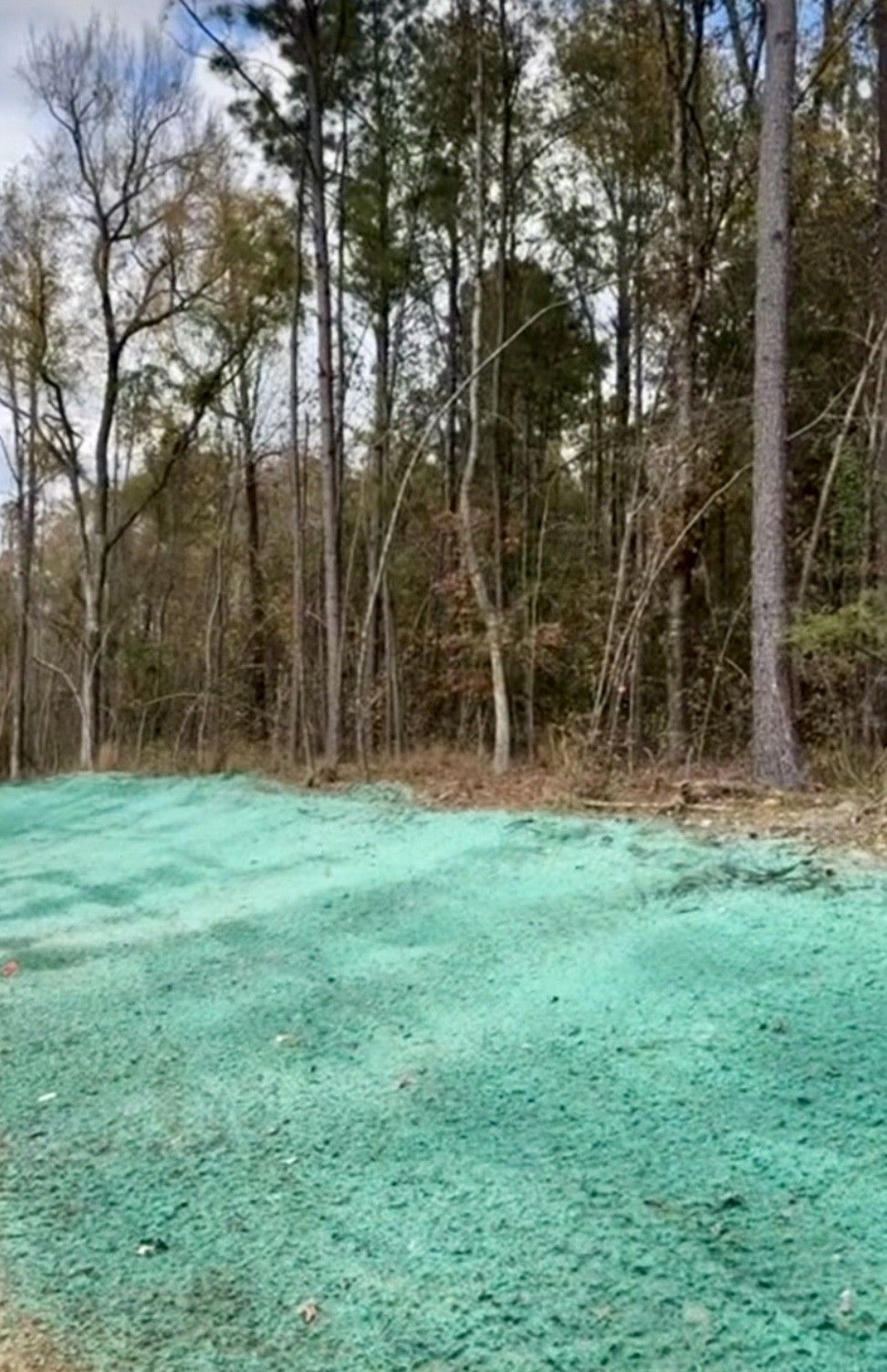
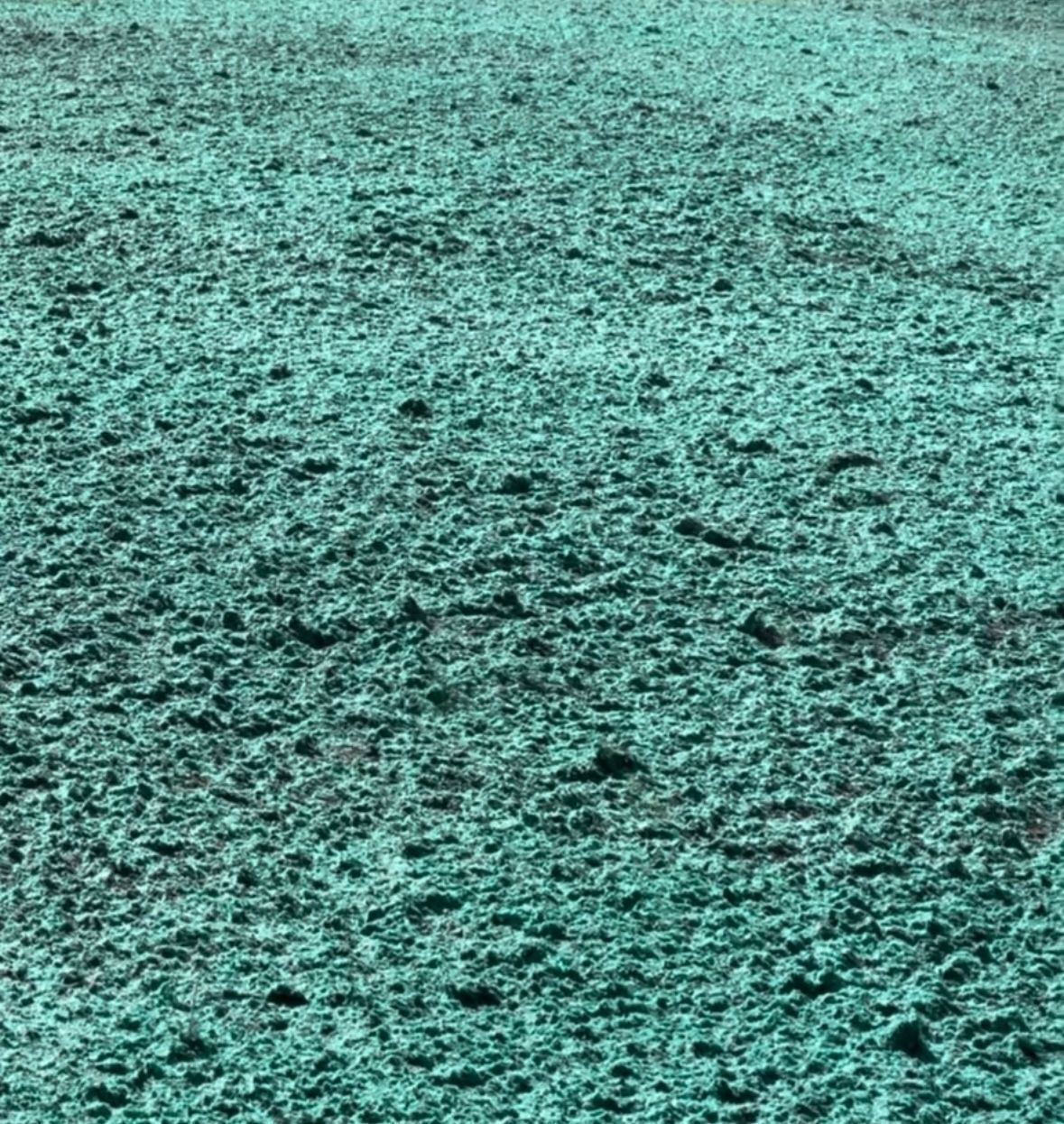
After construction activity wraps on any given area, bare subgrade and compacted fill are left exposed to erosion and runoff. Hydraulic topsoil services restore a workable organic layer over that stripped ground by applying a topsoil slurry via hydraulic equipment, covering irregular post-construction surfaces, slopes, and disturbed berms efficiently. That organic layer bridges the gap between raw compacted fill and the growing medium needed for grass to establish, and applying it in fall gives the surface a full winter to begin stabilizing ahead of spring green-up.
Once hydraulic topsoil is down, the site is ready for hydroseeding to lock in that surface and prevent erosion during the wet months that follow construction disturbance.
Proper soil preparation done in the correct sequence protects your foundation investment and keeps post-construction erosion from undoing the grading work already completed. Sites that move through tilling, compaction, fine grading, and hydraulic topsoil restoration in order close out cleanly and stabilize faster after the build.
Schedule your pre-construction soil assessment this fall with Aqua-Tech Creations before the winter rain window closes.